 Everett
 Roof Repair Built for Snohomish's Weather, Not Just the Damage on Top
Snohomish sits close enough to Puget Sound and the Snohomish River valley that roofs here deal with a specific combination of stresses: damp salt-laden air moving in off the water, long stretches of driving rain through fall and winter, and moss seasons that can run eight months or longer under the tree cover common in this part of Snohomish County. A roof repair that only patches the visible problem without accounting for those conditions tends to fail again within a year or two. We approach every repair call in Snohomish the same way — figure out what actually caused the damage, then fix that, not just the symptom.
That distinction matters more here than in drier parts of the state. A missing shingle in Arizona is usually just a missing shingle. A missing shingle in Snohomish, after a wet winter, is often a sign of moisture that's already worked its way under the surrounding courses, softened the decking, or fed a moss colony that's been prying at the granules for a season or two before anyone noticed the leak.
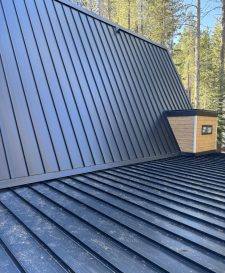
What Snohomish's Climate Actually Does to a Roof
Moss and Organic Growth
Snohomish's tree canopy and consistent moisture give moss everything it needs. Moss holds water against the roofing surface long after rain stops, which keeps shingles damp far longer than they're designed for. Over time it lifts shingle edges, breaks the granule surface down, and creates channels where wind-driven rain can get underneath. By the time moss is visible from the ground, it's usually already established in the shaded, north-facing slopes and valleys where water sits longest.
Driving Rain and Wind-Driven Moisture
Storms moving through Snohomish County frequently bring rain at an angle, not just straight down. That matters for repairs because wind-driven rain finds its way under shingles, around flashing, and through gaps that would never leak in a calm rain. A repair that doesn't account for wind direction and flashing detail can look fine in dry weather and still leak during the next windstorm.
Salt Air and Metal Fatigue
Proximity to Puget Sound means a steady low level of salt in the air, even well inland. Salt accelerates corrosion on exposed metal — flashing, fasteners, gutter hardware, and vent caps age faster here than they would in a landlocked climate. We see corroded fasteners and pitted flashing on roofs that are otherwise in decent shape, and that corrosion is often the actual source of a leak that looks, at first glance, like a shingle problem.
Signs a Snohomish Roof Needs Repair, Not Just a Look
- Dark streaking or green-black patches on north-facing or shaded slopes — early moss or algae growth
- Granules collecting in gutters or at downspout outlets after storms
- Soft or spongy spots when walking the roof (decking has absorbed moisture)
- Rusty streaks below flashing, vent boots, or exposed fasteners
- Water stains on interior ceilings, especially near chimneys, skylights, or where two rooflines meet
- Curling, cracked, or lifted shingle edges, particularly on slopes that face prevailing wind and rain
- Daylight visible through the attic roof deck
- Ice or heavy moss buildup that never fully dries between rain events
Any one of these on its own might not mean much. Two or three together, especially on a roof more than ten years old, usually means it's worth a proper look before the next wet season.
What a Correct Repair Actually Involves
A repair that holds up in Snohomish starts with figuring out the water's actual path, which is rarely a straight line from the visible damage. We pull back the surrounding shingles, check the underlayment condition, and look at the decking underneath before deciding what needs replacing. Skipping that step is the most common reason repairs fail — a contractor replaces the shingle that's showing damage, but the underlayment or decking underneath is already compromised, and the leak comes back within a season.
Our Typical Repair Process
- Assessment — full inspection of the affected area and the surrounding roof, including attic access where possible, to trace the actual water path
- Diagnosis — identify whether the cause is shingle damage, flashing failure, moss intrusion, ventilation issues, or a combination
- Scope and honest estimate — clear explanation of what needs to happen and why, including what we found that isn't visible from the ground
- Repair — replacement of damaged shingles, decking, underlayment, or flashing as needed, matching existing materials where possible
- Moss and debris treatment — removal of existing growth and debris from valleys and gutters so water can actually shed
- Follow-up recommendation — honest guidance on whether the repair addresses the issue long-term or whether the roof's age suggests planning for larger work down the road
Repair vs. Replacement: How We Help You Decide
Not every roof problem in Snohomish needs a full replacement, and not every repair is worth doing on a roof that's near the end of its service life. We try to give a straight answer rather than defaulting to whichever job is bigger.
| Factor | Leans Toward Repair | Leans Toward Replacement |
|---|---|---|
| Roof age | Under 15 years, asphalt shingle | Approaching or past manufacturer's expected lifespan |
| Extent of damage | Localized — one slope, one flashing point, one leak source | Multiple leak points or widespread granule loss |
| Decking condition | Solid, dry, minor soft spots at most | Soft, delaminating, or rotted decking in multiple areas |
| Moss history | First noticeable growth, caught early | Years of untreated moss with visible shingle degradation |
| Ventilation | Adequate, no attic moisture issues | Poor ventilation contributing to repeated moisture problems |
We'll walk you through where your roof falls on that table before recommending anything. If a repair is the honest answer, that's what we'll quote.
Ventilation: The Repair Step Homeowners Often Miss
A surprising number of "roof leaks" in Snohomish trace back to attic ventilation rather than the roofing surface itself. Poor airflow traps warm, moist air against the underside of the decking, which encourages rot from the inside and speeds up shingle failure from below — the opposite direction most homeowners think to check. When we're repairing storm or moss damage, we also check soffit and ridge ventilation, because fixing the surface without fixing airflow underneath it just delays the next call.
Why a Crew That Already Works in Snohomish Matters
Roofing in this part of Snohomish County isn't the same trade as roofing in a dry climate. A crew that mostly works drier regions may not think to check for moss intrusion under intact-looking shingles, or may under-flash a valley in a way that's fine in light rain but fails in a wind-driven storm off the Sound. Local experience means we've already seen how these specific conditions — salt air corrosion, moss cycles, driving rain — show up on roofs in this area, and we know what to check before we ever get on a ladder.
It also means faster response. Storm damage in Snohomish tends to hit multiple homes in the same weather event, and a crew based in the area can get to an active leak faster than one dispatching from farther away.
Maintenance That Extends a Repair's Life
A well-done repair still needs some basic upkeep to hold up through Snohomish's wet season after wet season. We recommend:
- Clearing moss and debris from valleys and gutters at least once a year, more often under heavy tree cover
- Trimming back overhanging branches that keep sections of roof shaded and damp
- Checking attic ventilation annually, especially before winter
- Having flashing and fasteners inspected every few years given how salt air accelerates corrosion here
- Addressing new moss growth early, before it has a chance to lift shingles
None of this requires a contractor visit every time — some of it is homeowner-level upkeep — but it's worth knowing what actually protects the repair you paid for.
What to Expect From an Estimate Visit
When we come out for a roof repair estimate in Snohomish, we're not just eyeballing the damaged area from the driveway. We get on the roof when conditions allow, check the attic if accessible, and look at how the whole roof system — shingles, flashing, ventilation, gutters — is working together. You'll get a clear explanation of what we found, what's causing the problem, and what it will take to fix it correctly, including any secondary issues we uncover along the way.
If your roof is showing moss, a leak, storm damage, or just needs an honest second opinion before you commit to a bigger project, we're happy to come take a look. The estimate is free, there's no pressure, and you'll walk away knowing exactly what your roof needs — use the form below to get started.