 Everett
 Windows Built for Pinehurst's Weather, Not Just the Showroom
Pinehurst sits close enough to the water and to Puget Sound's weather patterns that its homes take a different kind of beating than houses further inland in Snohomish County. Salt-tinged air, wind-driven rain that hits windows sideways instead of straight down, and a long stretch of gray, damp months that feed moss and mildew growth all add up to conditions that punish weak window installations faster than a drier climate would. A window that's a great fit for a house in Spokane can fail early here if it's not installed with this specific climate in mind.
We install windows in Pinehurst regularly, which means we're not guessing about how a given product or installation detail will hold up. We've seen which failure points show up first in this neighborhood and we build our process around avoiding them, not just around getting a window into a rough opening and calling it done.
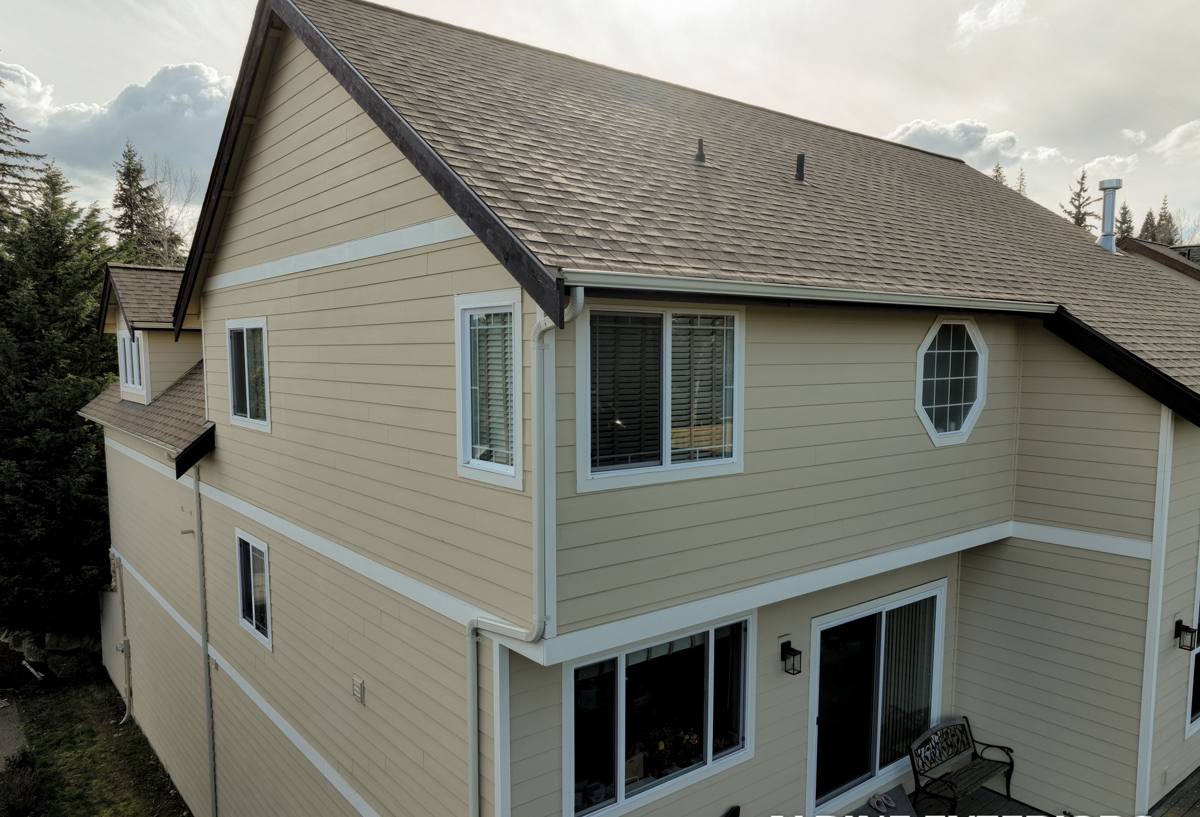
What Pinehurst Homes Actually Need From a Window Install
Moisture Management Comes First
The single biggest factor in whether a window installation lasts is not the window itself — it's what happens around it. Flashing, sill pans, and proper sealing determine whether water that inevitably gets past the glass and frame drains back out or gets trapped in the wall cavity. In a climate with as much sustained rainfall as Everett sees, an installation that skips or shortcuts moisture management can look fine for a year or two and then cause hidden rot that's expensive to fix.
Wind and Driving Rain Resistance
Because Pinehurst gets exposure to wind coming off the water, window units and their installation need to handle rain that's being pushed horizontally, not just falling straight down. This affects both the product specification (air infiltration and water resistance ratings matter here more than they would in a sheltered inland lot) and the installation technique, particularly around how the head flashing integrates with the siding above the window.
Salt Air and Material Durability
Salt-laden air accelerates corrosion on hardware, fasteners, and certain frame materials. It also tends to accelerate the breakdown of poor-quality sealants faster than a landlocked climate would. We factor this into what hardware and sealant products we use on Pinehurst jobs, not just on waterfront properties but throughout the neighborhood, since salt air travels further inland than people expect.
Moss and Organic Growth
The long wet season here supports moss and algae growth on anything that stays damp — window sills, trim, and the tops of frames included. Good installation detail (proper slope on sills, drip edges, and gaps that let surfaces dry) reduces how much organic growth takes hold and how often a homeowner has to clean or repaint trim just to keep it looking decent.
Signs an Existing Window Installation Is Failing
- Fogging or condensation between panes, which usually means a failed seal on the insulated glass unit
- Soft or discolored drywall, trim, or sill area below or beside the window
- Visible daylight or a draft you can feel around the frame when it's windy
- Difficulty opening, closing, or locking the window, especially after a temperature swing
- Moss, algae, or persistent black staining on the exterior trim or sill
- Paint that's bubbling or peeling specifically around the window opening, not the wall generally
Any one of these on its own might be minor. Two or more together, especially moisture staining plus a drafty or hard-to-operate sash, usually means the original installation has a flashing or sealing problem that a new window won't fix by itself — the install detail has to be corrected at the same time.
How Our Window Installation Process Works
1. On-Site Assessment
We look at the existing window, the wall assembly around it, and any visible signs of water intrusion or rot before we talk products. On older Pinehurst homes this step matters more than it does on newer construction, since older wall assemblies weren't always built with modern moisture barriers.
2. Product Recommendation Based on Exposure
Not every window on a house needs the same spec. A window on the side of a Pinehurst home that takes the brunt of prevailing wind and rain may warrant a higher water-resistance rating than a sheltered window on the opposite side. We'll walk through the honest trade-offs of vinyl, fiberglass, and wood-clad options for your specific exposure and budget rather than pushing one product line for every opening.
3. Removal Without Collateral Damage
Careful removal of the old unit protects the surrounding siding, trim, and interior finishes. We check the condition of the rough opening and sheathing at this point, since this is often the only chance to catch hidden rot before it's sealed back up behind a new window.
4. Correcting the Opening
Any deteriorated wood, damaged sheathing, or missing moisture barrier gets addressed before the new window goes in. Installing a good window into a bad opening just delays the same problem, and skipping this step is one of the most common shortcuts that leads to early failure in wet climates like ours.
5. Flashing and Sealing to Shed Water
We install sill pan flashing, integrate house wrap or building paper correctly with the window flanges, and use sealants rated for our climate and UV exposure. The goal is a system where any water that gets past the exterior surface has a clear path back out, rather than a system that relies entirely on caulk never failing.
6. Final Fit, Insulation, and Trim
The window gets shimmed and secured for a square, properly operating fit, insulated around the frame without over-packing (which can bow the frame), and finished with trim and paintable or pre-finished caulk lines that hold up to the local weather.
Comparing Common Window Frame Materials for This Climate
| Material | Moisture & Salt Air Behavior | Maintenance | Typical Fit for Pinehurst |
|---|---|---|---|
| Vinyl | Won't rot or corrode; performs well against salt air | Low — occasional cleaning | Strong all-around choice for budget-conscious installs |
| Fiberglass | Very stable in wet and salt exposure, minimal expansion/contraction | Low | Good for higher-exposure walls facing wind and rain |
| Wood (unclad) | Requires diligent sealing and upkeep to resist rot in this climate | High | Best reserved for sheltered locations or homeowners committed to upkeep |
| Wood-clad (aluminum or vinyl exterior) | Exterior face resists weather well; interior wood offers traditional look | Medium | Reasonable option when appearance matters and budget allows |
| Aluminum | Can corrode over time in salt air without proper coating | Medium | Less common choice for this specific exposure |
There's no single "best" material for every home in Pinehurst — it depends on which side of the house the window sits on, how exposed the wall is to wind and rain, and how much upkeep a homeowner wants to take on. We'll give you our honest read for your specific situation rather than a one-size answer.
What Drives Cost on a Pinehurst Window Job
Every home is different, but a few factors consistently move the price up or down on installations in this area:
| Factor | Why It Matters Here |
|---|---|
| Rot or damage found in the opening | Wet-climate homes more often need sheathing or framing repair once the old window is removed |
| Window size and configuration | Larger units, bays, and custom shapes cost more to source and install correctly |
| Exposure of the wall | Higher-rated products for wind- and rain-exposed walls typically cost more than standard-exposure units |
| Number of openings | Whole-house replacements typically bring a better per-window rate than one-off replacements |
| Access and story height | Second-story or hard-to-access windows take more time and equipment |
We'd rather give you a realistic range after seeing the actual openings than quote a number over the phone that doesn't hold up once we're on-site. Broadly, straightforward single-window replacements run less than whole-house jobs with rot repair involved, but the honest answer depends on what we find.
Why a Crew That Already Works Pinehurst Matters
A contractor who's done work in this specific neighborhood already knows how the local wind exposure and rain patterns tend to hit different sides of a house, what the older housing stock's wall assemblies typically look like once opened up, and which flashing and sealing details actually hold up here over years, not just through one dry season. That local track record shortens the learning curve on your job — we're not treating your home as our first attempt at solving Everett's coastal weather problems.
It also means we're accountable locally. If something needs a warranty follow-up, we're not driving in from out of the area to handle it — we're already doing work in Snohomish County on a regular basis.
Simple Steps to Protect a New Window Investment
- Keep gutters and downspouts clear so roof water isn't running down past window heads
- Trim back vegetation that keeps trim and sills shaded and damp longer than necessary
- Check and refresh exterior caulk lines every few years, especially on sun- and rain-exposed walls
- Wash off moss or algae buildup on sills and trim before it stains or holds moisture against the wood
- Watch for condensation between panes as an early sign of seal failure, and address it before it worsens
Getting Started
If you're dealing with drafty, foggy, or hard-to-operate windows in Pinehurst, or you're just planning ahead for a home that's showing its age against our coastal weather, we're glad to take a look. We'll assess your specific windows and walls, give you a straightforward read on what's going on, and offer options that fit your budget and how exposed your home is to the weather. Reach out for a free, no-pressure estimate using the form below.