 Everett
 Metal Roofing in Forest Park: Built for This Corner of Everett
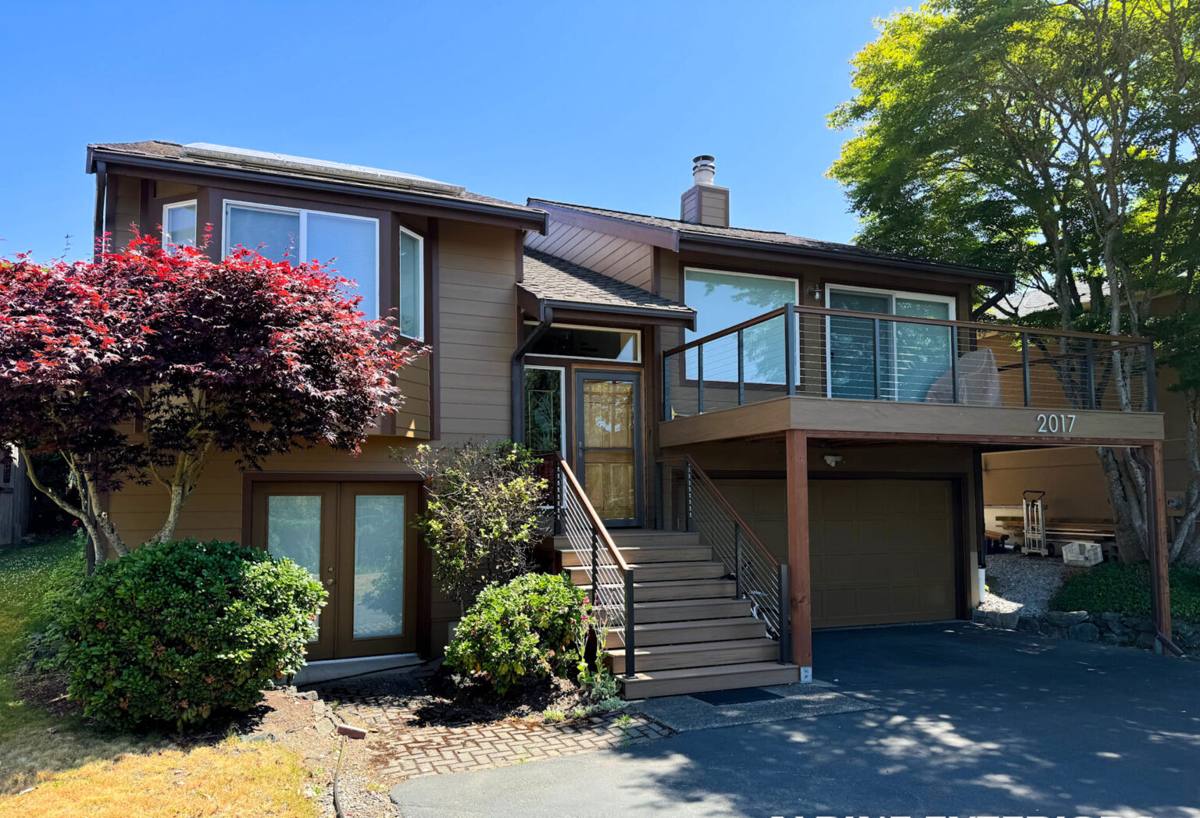
Forest Park sits close enough to Puget Sound and the Snohomish River valley that its homes take on a specific mix of weather stress: salt-tinged air drifting off the water, long stretches of driving rain through fall and winter, and deep shade from the mature tree canopy the neighborhood is known for. That shade is part of what makes Forest Park a nice place to live, and it's also exactly why roofs here grow moss faster and dry out slower than roofs a few miles inland. A metal roof handles that combination better than almost anything else on the market, but only when it's specified and installed correctly for this specific environment. We've worked on enough roofs in this part of Everett to know where the shortcuts usually get taken, and where they show up first.
Why Forest Park's Climate Puts Real Demands on a Roof
Snohomish County doesn't get the harshest storms on the West Coast, but it gets something arguably tougher on a roof: near-constant moisture exposure spread across many months of the year, layered with periodic wind-driven rain events that push water sideways into laps, fasteners, and flashing details. Add Forest Park's tree cover and proximity to the water, and you get three compounding issues:
- Persistent shade keeps roof surfaces damp longer after every rain, which is exactly what moss and moisture-loving growth need to establish.
- Salt-influenced air accelerates corrosion on unprotected or poorly coated metal fasteners, flashing, and panel edges over time.
- Organic debris from overhanging trees collects in valleys and behind panel seams, holding moisture against the roof surface if the roof wasn't detailed to shed it.
None of this makes metal roofing a bad choice for Forest Park — it makes it one of the better choices, provided the coating system, fastener hardware, and detailing all match the environment instead of a generic spec sheet.
What "Correct" Actually Means for a Metal Roof Here
Coating and Substrate Matter More Near the Water
Not all metal roofing is equal once salt air enters the picture. Steel panels rely entirely on their protective coating system to resist corrosion — once that coating is scratched, chipped, or under-specified for a marine-influenced environment, rust can start at that point and spread. For Forest Park, we favor coating systems and finishes rated for coastal or near-coastal exposure, and we're careful about panel handling on site so the factory finish doesn't get damaged before it's ever exposed to weather.
Fasteners Are the Weak Link Nobody Talks About
A metal roof is only as durable as its fasteners. Mismatched metals between the fastener and the panel — or fasteners rated for a dry inland climate — corrode faster in salt-influenced air, and a failing fastener under a panel lap is invisible until it isn't. We match fastener alloy and coating to the panel system and the exposure level of the specific roof plane, not a one-size-fits-all approach.
Detailing for Shade and Moss
On heavily shaded Forest Park lots, we pay particular attention to valleys, ridge details, and anywhere two roof planes or a roof plane and a wall meet. These are the spots where debris collects and moisture lingers longest. Proper flashing geometry and slightly more generous drainage detailing at these points reduce the standing moisture that gives moss a foothold, without requiring the homeowner to constantly clean the roof by hand.
Metal Roofing Profiles: What Fits a Forest Park Home
| Profile Type | Best Fit | Trade-offs |
|---|---|---|
| Standing seam | Homes wanting a clean, modern or transitional look; excellent water-shedding | Higher upfront cost; requires experienced installers for tight seams |
| Metal shingles/shakes | Homes wanting a traditional look that reads like shake or slate from the street | More seams and fasteners than standing seam; detailing at valleys is more critical |
| Corrugated/ribbed panel | Detached garages, shops, and simpler rooflines | Less refined appearance for a primary residence; still very durable |
Most Forest Park homes we work on end up choosing standing seam or metal shingles for the main house, largely because both handle the area's rain load and shaded, moss-prone conditions well when installed with the right underlayment and flashing package.
Underlayment: The Part You Never See
In a climate with this much sustained moisture, what's under the metal matters as much as the metal itself. We install a high-temperature, self-adhering underlayment at eaves, valleys, and any low-slope transitions, with synthetic underlayment across the rest of the field. This gives the roof a genuine backup layer if wind-driven rain ever gets past a seam or fastener, which matters more here than in drier parts of the state.
Our Process for a Forest Park Metal Roof Project
1. On-Site Assessment
We walk the roof and the attic where accessible, checking for existing moss growth, trapped moisture, deck condition, and how much tree cover is affecting specific roof planes. This tells us where extra detailing is worth the investment and where a standard approach is fine.
2. Material and Profile Selection
We walk the homeowner through profile options, coating systems rated for this exposure, and color, matching the choice to the home's style and the household's priorities — whether that's longevity, appearance, or upfront cost.
3. Tear-Off and Deck Inspection
Once the old roofing is off, we inspect the deck itself. Years of trapped moisture under an aging roof can soften sheathing, especially on shaded planes, and we address any deck repairs before a single metal panel goes down.
4. Underlayment and Flashing
This is where most of the long-term performance of the roof actually gets decided. We install underlayment and custom-fabricated flashing at every valley, penetration, and wall transition — not off-the-shelf pieces stretched to fit.
5. Panel Installation
Panels go down with fastener spacing and clip systems matched to the manufacturer's wind and exposure specifications for this region, with particular attention to laps and seams given the sideways-driving rain Forest Park sees several months a year.
6. Final Walkthrough
We review the finished roof with the homeowner, including basic guidance on what routine maintenance — if any — will look like given the tree cover on their specific lot.
Maintenance Reality: Less Than You'd Think, But Not Zero
One of the genuine advantages of metal roofing in a place like Forest Park is how little routine maintenance it needs compared to asphalt shingles, which absorb and hold moisture in a way that accelerates moss growth and granule loss. Metal sheds water fast and doesn't give moss the same foothold. That said, "low maintenance" isn't "no maintenance":
- Clear debris from valleys and gutters at least once or twice a year, more often on heavily treed lots.
- Have a professional check flashing and sealant points every few years, especially around chimneys, skylights, and roof-wall intersections.
- Trim overhanging branches where practical to reduce debris load and prolonged shade on specific roof sections.
- Address any scratched or chipped panel finish promptly to prevent localized corrosion from starting.
Cost Factors for a Forest Park Metal Roof
| Factor | Why It Affects Price |
|---|---|
| Roof complexity | Valleys, dormers, and multiple planes require more custom flashing and labor |
| Panel profile | Standing seam generally costs more than corrugated or exposed-fastener panel due to fabrication and install time |
| Coating/finish grade | Coastal-rated finishes cost more upfront but reduce corrosion risk near the water |
| Deck condition | Any rot or moisture damage found at tear-off adds repair cost before installation continues |
| Tear-off vs. overlay | Most metal roofing in this region should go over a proper tear-off, not an overlay, which affects labor cost |
Broad ranges vary a lot by roof size and complexity, and we'd rather give you an honest number from an actual on-site look than a figure that doesn't reflect your specific roof.
Why Local Experience in Forest Park Specifically Matters
A crew that only occasionally works in this part of Everett doesn't necessarily know which roof planes in a neighborhood like Forest Park tend to hold moisture longest, or how much the tree canopy on a given street changes the maintenance conversation. We work throughout Snohomish County, including Forest Park and the surrounding Everett neighborhoods, regularly enough to know these patterns before we ever get on the roof — which means fewer surprises during the assessment and a spec that's right the first time rather than adjusted after a callback.
Get an Honest Look at Your Roof
If you're weighing metal roofing for a home in Forest Park, we're happy to come take a look, answer questions honestly, and give you a straightforward, no-pressure estimate based on your actual roof — not a generic quote. Fill out the form below and we'll get in touch.